
After a long two-year wait, one of Uganda’s premier tourism destinations is now fully accessible to British travellers. Earlier this month, the UK’s Foreign, Commonwealth & Development Office (FCDO) lifted its travel warning for Queen Elizabeth National Park, famous for its tree-climbing lions, leopard sightings and birding along the Kazinga Channel. The advisory was initially put in place following a terrorist attack on tourists in 2023, but the region has been considered safe for some time. We spoke to our local partner Amos Wekesa, about what the changes mean.

What does it mean for travellers now the “all but essential travel” advisory for QENP and the surrounding areas has been lifted?
This is tremendous news for travellers and tourism in Uganda. It means travel insurance is easier to secure, bookings can proceed with confidence, and families, leisure travellers, and safari enthusiasts can explore the park without unnecessary restrictions. For us in the tourism industry, it restores trust and signals to travellers that Uganda is ready and open again for unforgettable safari experience.

Why is the region a jewel for Uganda?
Queen Elizabeth National Park is one of the most diverse and rewarding safari destinations
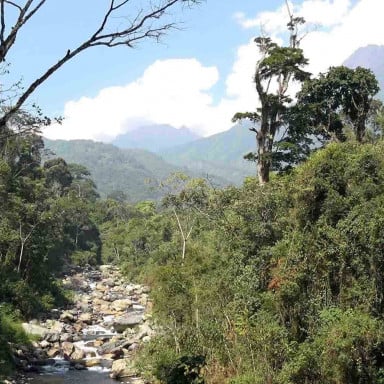
in Africa. It has scenic beauty and huge biodiversity. The park has many water channels and crater lakes, forests, savannah and the snow-capped Rwenzori mountains in the distance. Where else in Africa do you have this?
Travellers can boat cruise the Kazinga Channel, teeming with hippos and birdlife, trek for chimpanzees and other primates and birds in the forest, game drive the savannahs dotted with elephants, buffalo, leopard, and lion and see the iconic tree‑climbing lions of Ishasha, a rare sight that truly sets this park apart, all in one stay!
Cultural experiences like meeting local communities and visiting Batwa heritage trails enhance the trip beyond wildlife alone.

How damaging has the ban been?
The advisory was in place for 24 months and it had a significant negative impact on tourism in western Uganda. Tour operators reported up to a 70% drop in UK arrivals, which is a major market for Uganda’s safari destinations. This translated into cancelled trips, empty safari lodges, and reduced business for local guides, drivers, and hospitality staff.
Beyond numbers, the advisory had a psychological impact and many potential travellers postponed or rerouted trips due to travel warnings, even when security had been improved on the ground.
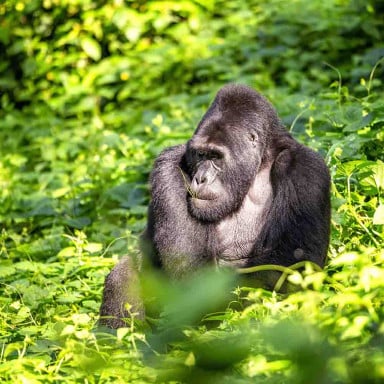
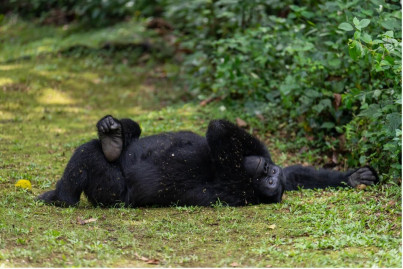
QENP forms a major part of most Uganda itineraries. Its location in between Kibale Forest National Park and Bwindi Impenetrable National Park connects chimpanzee trekking with gorilla tracking experiences giving travellers an incredible primate and game safari.

Why do you think it took so long to lift the travel ban?
The UK advisory was a response to the tragic ADF‑related attack in October 2023. Until now, governments tend to take a cautious approach to updating travel advice, especially when terrorism is involved. What has changed is ongoing advocacy and real security improvements on the ground, led by Uganda’s government, local authorities, and tourism stakeholders.
Our team, along with Uganda Tourism Board and government representatives, engaged directly with the British High Commission and decision‑makers, demonstrating that security for visitors in and around QENP has been strengthened and that risk levels were no longer representative of the blanket advisory. I called the announcement a “Christmas miracle” because it truly reflects months of dialogue and progress.
While no destination can ever be 100% risk‑free, (such as the recent tragic incident in Bondi Beach) and travellers should always stay informed and travel responsibly, the region has been safe for visitors with the right precautions and guided safaris for some time. It’s now fantastic to see formal recognition of this reality.

What does this change mean for the communities and why is tourism so important to the area?
Tourism isn’t just about wildlife; it’s a lifeline for rural economies. Communities around QENP depend on tourism for jobs, income, and enterprise opportunities. From village craft stalls to lodge staff, drivers, boat operators, and cultural guides, hundreds of families have felt the strain of reduced visitor numbers.
With the lifting of the advisory, we hope for a return of demand, more bookings, and critically restored income for families and small businesses that rely on visitors. This change empowers local people and importantly, helps sustain conservation through community tourism engagement.